A full refurbishment takes a tired Victorian or Edwardian house back to sound structure and forward to a modern specification: rewire, replumb, new heating, damp works, replastering, joinery and decoration. Most whole-house projects run 10 to 20 weeks and are phased so you can stay in part of the property where that is practical.
- Guide price
- Guide price from £68,000
- Typical programme
- 10 to 20 weeks on site
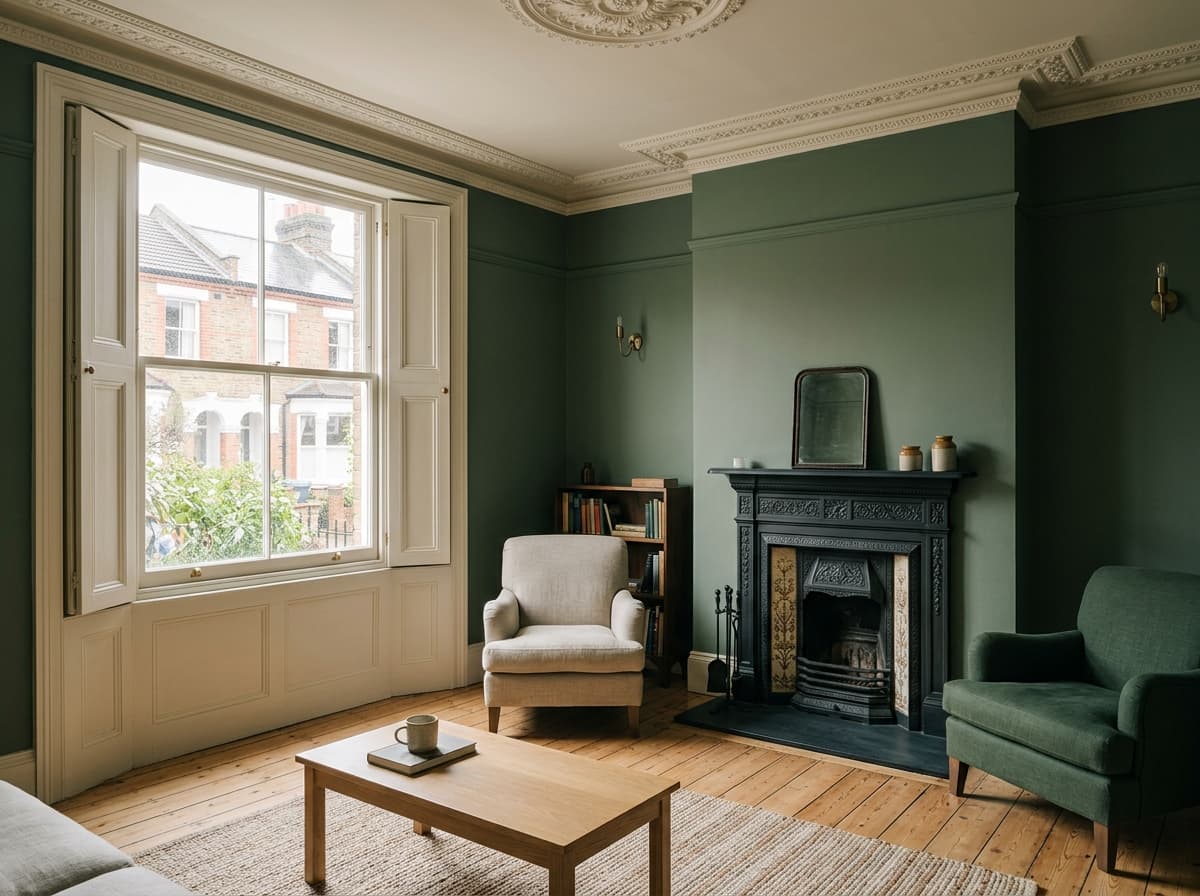
Structure first, finishes last
A refurbishment goes wrong when the decorating budget is spent before anyone has looked at the roof, the drains or the wall plates. We survey in that order. Rain coming through a slipped slate will ruin a new ceiling faster than any amount of good plastering can save it.
Period property, honestly handled
South-East London housing stock is mostly solid wall, built without a damp proof course and originally finished in lime. Sealing that up in dense cement render and plastic paint traps moisture in the wall and pushes it somewhere worse. Where the construction is solid and breathable, we specify lime plaster and mineral paints and let the wall behave the way it was built to.
Services
Full rewire to the current edition of the wiring regulations, with a certificate. Replumb in copper or a properly clipped plastic system. Heating sized on an actual room-by-room heat loss calculation rather than a rule of thumb, which matters if you are considering a heat pump later.
Phasing
Where a family needs to stay in the house, we phase the work floor by floor, with sealed dust screens and a working kitchen and bathroom at every stage. It costs a little more in programme and it is very often worth it.
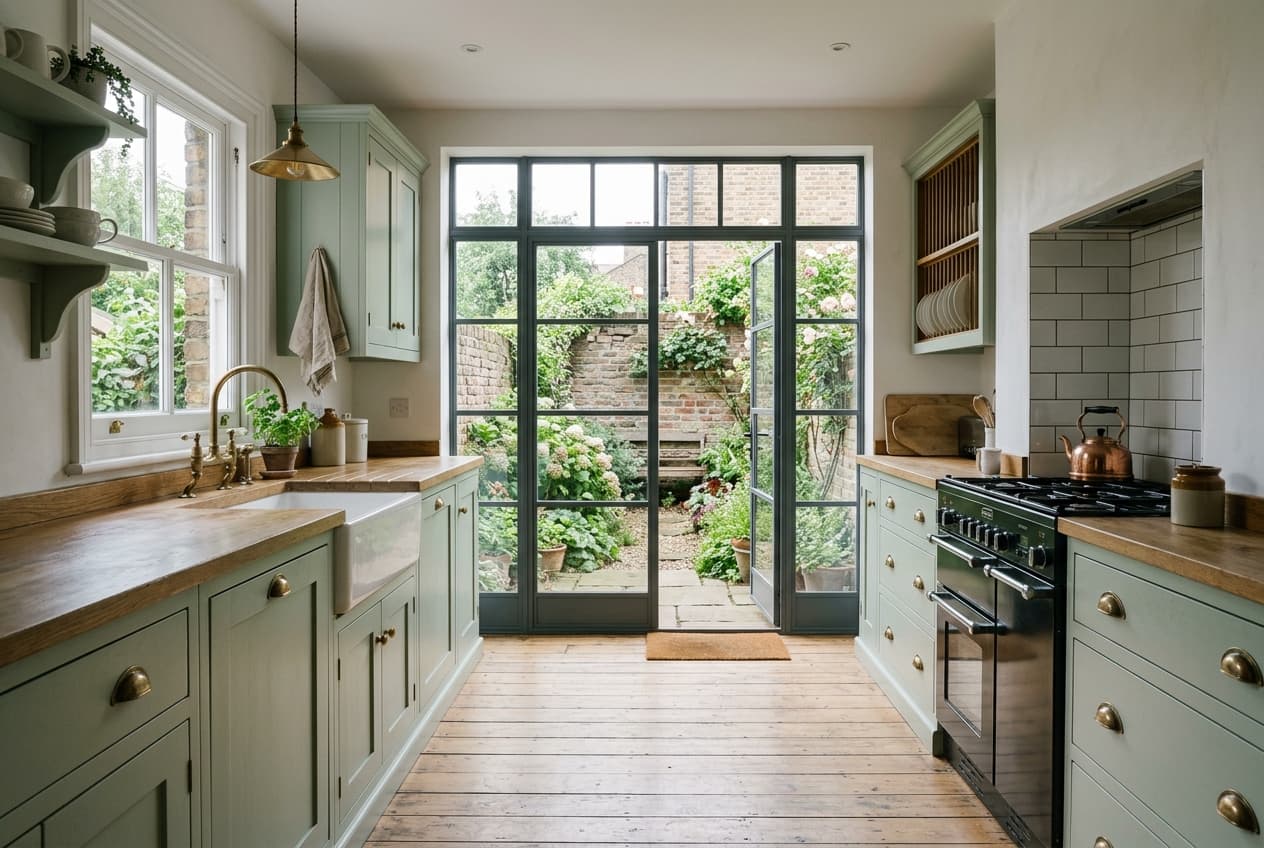
What people ask about this work
Should I rewire the whole house?
If the consumer unit is a fuse box, the cable sheathing is rubber or fabric, or there are no earths at the light fittings, then yes. A partial rewire on a period house usually costs more in the long run because the floors and plaster come up twice. We test and report before recommending it.
Why does lime plaster matter on an old house?
Solid brick walls built before about 1919 have no damp proof course and were designed to absorb and release moisture through lime plaster and lime mortar. Sealing them in dense cement render and plastic paint traps that moisture and pushes it into the timbers. Where the construction is breathable, we keep it breathable.
Tell us what you are trying to do with the house.
We will come out, measure up and tell you honestly whether it works. The site visit and the written quotation are free, and there is no obligation attached to either.